


About the Health and Environmental Impacts Division (HEID)
Who We Are
HEID is one of the five divisions within EPA’s Office of Air Quality Planning and Standards (OAQPS). We provide scientific and economic expertise on the impacts of air pollution on human health in order to inform development of air quality policies designed to reduce the risks associated with exposures to air pollution. HEID considers how risks may be particularly acute across specific “at-risk” populations and communities with environmental justice concerns. HEID has five groups whose work encompasses multi-pollutant & multi-media exposure, criteria pollutants, air toxics, risk & exposure assessments, economic analysis, climate change & air quality, and international air quality initiatives. Our staff are scientists, engineers, economists, and policy & management analysts who support EPA’s mission of protecting human health and the environment.
What We Do
HEID is responsible for:
- Evaluating what levels of air pollution are requisite to protect human health in the U.S. with an adequate margin of safety, and to avoid adverse environmental effects as part of periodic reviews of the National Ambient Air Quality Standards (NAAQS).
- Assessing the exposures and risks from common pollutants like fine particles and ozone, as well as from toxic air pollution, to identify strategies for risk reduction.
- Coordinating efforts across EPA and other federal agencies to develop economic analyses that estimate the costs and benefits of potential EPA air quality regulations.
- Developing science-based information related to climate change, wildfire smoke, and international transboundary air pollution.
Select one of the groups below to learn more about their responsibilities:
 |
HEID Groups
 Air Economics Group (AEG)AEG provides scientifically defensible and transparent economic assessments of the costs, benefits, and economic impacts of air pollution programs. We develop methodologies, models, and applied tools for cost estimation and economic analysis. We also provide technical support on cost and economic impact matters to regional, state, local, and Tribal agencies, international partners, and the public. |
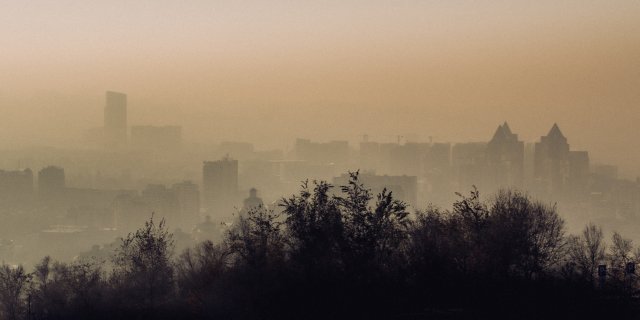 Ambient Standards Group (ASG)ASG reviews and revises, as appropriate, existing primary and secondary NAAQS, and the establishment of new NAAQS. ASG prepares policy assessments and collaborates with other EPA offices to develop Integrated Science Assessments, and analyze health and welfare evidence associated with the NAAQS reviews. We develop rules for each NAAQS review and provide support in all aspects related to NAAQS decision making. Additionally, ASG supports EPA’s Air Quality Index (AQI) and develops public communication about health and welfare effects of criteria pollutants. |
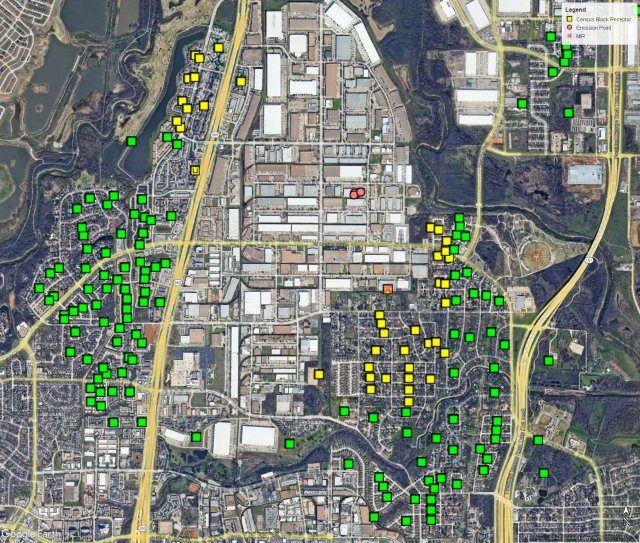 Air Toxics Assessment Group (ATAG)ATAG assesses and communicates human health and environmental risks posed by air toxics emissions. We assess the demographic distribution of human health risks, develop risk assessment methods, and provide risk assessment technical support to regions, state, local, and Tribal agencies and to the public. |
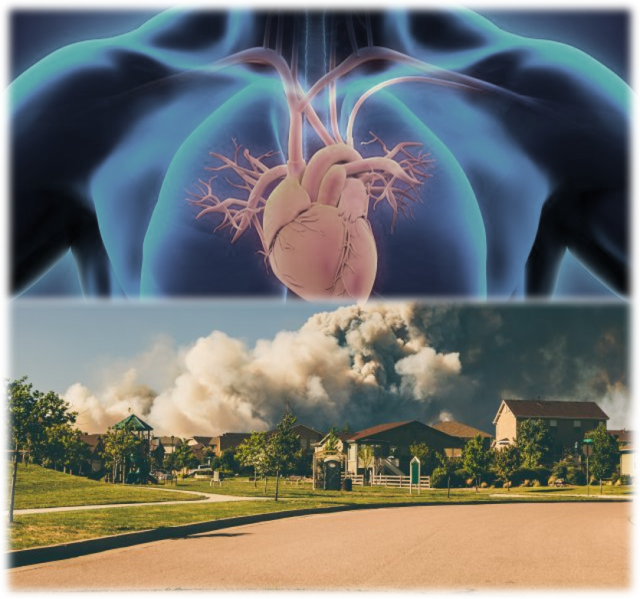 Climate, International and Multimedia (CIMG)CIMG addresses the global challenges of air pollution and climate in both the domestic and international contexts, considering how multiple pollutants impact public health. We focus our work in the policy space where climate, air quality and health intersect, analyzing and implementing policies that benefit human health and the environment. CIMG assists partners with tools and resources that support international air quality management planning as well as a multi-pollutant, risk based approach to air quality management. |
 Risk Benefits Group (RBG)RBG conducts risk, exposure, and environmental justice (EJ) assessments for criteria pollutants as part of the reviews of the NAAQS, including assessments related to both public health and environmental welfare. We conduct health impacts, environmental justice, and economic benefit assessments for inclusion in Regulatory Impact Analyses prepared in support of major stationary source air rulemakings. RBG also maintains the Volatile Organic Compound Exemption Policy program. |