U.S. flag

An official website of the United States government

Here’s how you know

Dot gov

Official websites use .gov
A .gov website belongs to an official government organization in the United States.

HTTPS

Secure .gov websites use HTTPS
A lock (LockA locked padlock) or https:// means you’ve safely connected to the .gov website. Share sensitive information only on official, secure websites.

Emergency

This is not the current EPA website. To navigate to the current EPA website, please go to www.epa.gov. This website is historical material reflecting the EPA website as it existed on January 19, 2025. This website is no longer updated and links to external websites and some internal pages may not work. More information »

    • Environmental Topics
    • Air
    • Bed Bugs
    • Cancer
    • Chemicals, Toxics, and Pesticide
    • Climate Change
    • Emergency Response
    • Environmental Information by Location
    • Environmental Justice
    • Greener Living
    • Health
    • Land, Waste, and Cleanup
    • Lead
    • Mold
    • Radon
    • Research
    • Science Topics
    • Water Topics
    • A-Z Topic Index
    • Laws & Regulations
    • By Business Sector
    • By Topic
    • Compliance
    • Enforcement
    • Laws and Executive Orders
    • Regulations
    • Report a Violation
    • Environmental Violations
    • Fraud, Waste or Abuse
    • About EPA
    • Our Mission and What We Do
    • Headquarters Offices
    • Regional Offices
    • Labs and Research Centers
    • Planning, Budget, and Results
    • Organization Chart
    • EPA History
    • Staff Directory

Breadcrumb

  1. Home
  2. Climate Change Adaptation Resource Center (ARC-X)

Climate Adaptation and Drought
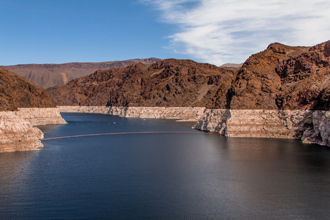
Due to prolonged drought in the Western part of the U.S., Lake Mead has experienced historic lows. Lake Mead provides water to Arizona, California, and Nevada.

EPA works with drinking water utilities to provide clean and safe drinking water. This goal can be challenging under some extreme weather events such as drought.

Climate change is projected to intensify short-term (seasonal or shorter) drought risk across most of the U.S. as well as intensify long-term droughts in large areas of the Southwest, southern Great Plains, and Southeast. Short term and long term drought both threaten the ability of drinking water utilities' efforts to maintain safe and effective service now and into the future.

During drought, water utilities may face a reduced volume of water or loss of water supply sources, while at the same time experiencing increased demand from customers. A drought can reduce short term water sources, such as reservoirs or lakes. Drought can also affect longer-term water storage or supply such as mountain snowpack. An increase in drought risk can necessitate drinking water utilities to reassess and revise long-term plans to ensure access to source water availability.

A reduction in available source water can concentrate contaminate levels in source waters and lead to diminished source water quality. Poor source water quality can affect treatment costs and the ability to meet drinking water standards.

The reduction in available water supply can also lead to the consideration and development of alternative water sources, such as groundwater. In coastal areas, increased groundwater withdrawals may exacerbate other climate impacts such as saltwater intrusion.

In some areas, drought and associated periods of high temperatures will contribute to dry conditions that intensify wildfires. Wildfires can threaten water facilities, increase erosion and adversely affect source water quality. Wildfires also pose significant public health affects by diminishing air quality.

Related Information
  • Saltwater Intrusion
  • Source Water Quality
Explore More About Adaptation and Drought
  • Adaptation Strategies
  • Case Studies
  • Tools
  • Library
  • Underlying Science

Climate Change Adaptation Resource Center (ARC-X)

  • Your Climate Adaptation Search
  • Implications of Climate Change
  • Adaptation Planning
  • Adaptation Strategies
  • Case Studies
  • Tools
  • Training
  • Federal Funding & Technical Assistance
  • Library
  • Underlying Science
  • EPA Contacts & State Websites
Contact Us About Climate Change Adaptation Resource Center
Contact Us About Climate Change Adaptation Resource Center to ask a question, provide feedback, or report a problem.
Last updated on May 30, 2024
  • Assistance
  • Ayuda
  • Arabic
  • Chinese (simplified)
  • Chinese (traditional)
  • Aide
  • Asistans
  • Korean
  • Assistência
  • Russian
  • Tulong
  • Vietnamese
United States Environmental Protection Agency

Discover.

  • Accessibility Statement
  • Budget & Performance
  • Contracting
  • EPA www Web Snapshot
  • Grants
  • No FEAR Act Data
  • Plain Writing
  • Privacy
  • Privacy and Security Notice

Connect.

  • Data
  • Inspector General
  • Jobs
  • Newsroom
  • Regulations.gov
  • Subscribe
  • USA.gov
  • White House

Ask.

  • Contact EPA
  • EPA Disclaimers
  • Hotlines
  • FOIA Requests
  • Frequent Questions

Follow.