U.S. flag

An official website of the United States government

Here’s how you know

Dot gov

Official websites use .gov
A .gov website belongs to an official government organization in the United States.

HTTPS

Secure .gov websites use HTTPS
A lock (LockA locked padlock) or https:// means you’ve safely connected to the .gov website. Share sensitive information only on official, secure websites.

Emergency

This is not the current EPA website. To navigate to the current EPA website, please go to www.epa.gov. This website is historical material reflecting the EPA website as it existed on January 19, 2025. This website is no longer updated and links to external websites and some internal pages may not work. More information »

    • Environmental Topics
    • Air
    • Bed Bugs
    • Cancer
    • Chemicals, Toxics, and Pesticide
    • Climate Change
    • Emergency Response
    • Environmental Information by Location
    • Environmental Justice
    • Greener Living
    • Health
    • Land, Waste, and Cleanup
    • Lead
    • Mold
    • Radon
    • Research
    • Science Topics
    • Water Topics
    • A-Z Topic Index
    • Laws & Regulations
    • By Business Sector
    • By Topic
    • Compliance
    • Enforcement
    • Laws and Executive Orders
    • Regulations
    • Report a Violation
    • Environmental Violations
    • Fraud, Waste or Abuse
    • About EPA
    • Our Mission and What We Do
    • Headquarters Offices
    • Regional Offices
    • Labs and Research Centers
    • Planning, Budget, and Results
    • Organization Chart
    • EPA History
    • Staff Directory

Breadcrumb

  1. Home
  2. Columbia River

Chemicals of Emerging Concern in the Columbia River

What are chemicals of emerging concern?
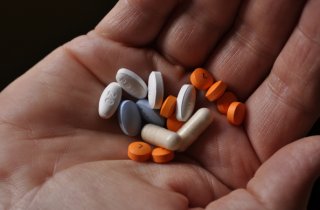
A hand holding various pharmaceuticals

Chemicals of emerging concern (also called "contaminants of emerging concern" or "CECs") can include nanoparticles, pharmaceuticals, personal care products, estrogen-like compounds, flame retardants, detergents, and some industrial chemicals with potential significant impact on human health and aquatic life.

Some examples are:

  • PAHs, PCBs, and PBDEs found throughout the lower Columbia River in water, sediment, and juvenile Chinook salmon. These contaminants are moving from river water and sediment into salmon prey and then into salmon tissue.
  • 49 different chemicals of emerging concern were detected in sediments in the lower Columbia River main stem and several tributaries. Endocrine-disrupting compounds (contaminants that block or mimic hormones in the body and cause harm to fish and wildlife) were detected at 22 of 23 sites sampled.
  • A myriad of pharmaceuticals and personal care products were detected in the effluent from wastewater treatment plants discharging to the Columbia River.

Learn more about CECs:

  • Fish tissue contamination and CECs
  • CECs including pharmaceuticals and personal care products

Research and Monitoring

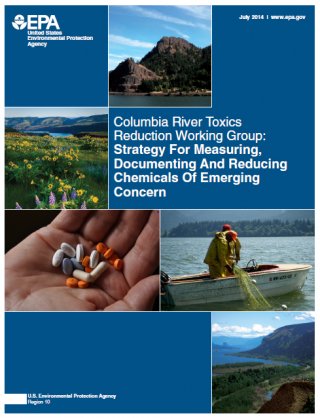
Cover image for Columbia River Chemcials of Emerging Concern Strategy

The Columbia River Toxic Reduction Working Group's Toxics Reduction Action Plan identified the need for a Basin-wide research plan on contaminants of concern. Though some research on the effects of contaminants in the Basin ecosystem was being conducted by different agencies, there was no coordinated effort to identify the research priorities or gaps in our knowledge.

In 2014, the Working Group released its Strategy for Measuring, Documenting and Reducing Chemicals of Emerging Concern which provides an outline for a research and monitoring strategy, and a characterization of the biological impacts of CECs on aquatic and terrestrial wildlife.

Read the full report:

  • Columbia River Strategy for Measuring, Documenting and Reducing Chemicals of Emerging Concern (pdf) (3.21 MB, July 2014)

Columbia River

  • Funding Assistance Program
  • Cold Water Refuges
  • Toxics Reduction Action Plan
  • About EPA's Work in the Basin
Contact Us About Columbia River
Contact Us About Columbia River to ask a question, provide feedback, or report a problem.
Last updated on March 8, 2024
  • Assistance
  • Ayuda
  • Arabic
  • Chinese (simplified)
  • Chinese (traditional)
  • Aide
  • Asistans
  • Korean
  • Assistência
  • Russian
  • Tulong
  • Vietnamese
United States Environmental Protection Agency

Discover.

  • Accessibility Statement
  • Budget & Performance
  • Contracting
  • EPA www Web Snapshot
  • Grants
  • No FEAR Act Data
  • Plain Writing
  • Privacy
  • Privacy and Security Notice

Connect.

  • Data
  • Inspector General
  • Jobs
  • Newsroom
  • Regulations.gov
  • Subscribe
  • USA.gov
  • White House

Ask.

  • Contact EPA
  • EPA Disclaimers
  • Hotlines
  • FOIA Requests
  • Frequent Questions

Follow.