


Meet EPA Hydrologist Eva Davis, Ph.D.
EPA hydrologist Eva Davis’ research helps to clean up superfund sites and improve the quality of groundwater.
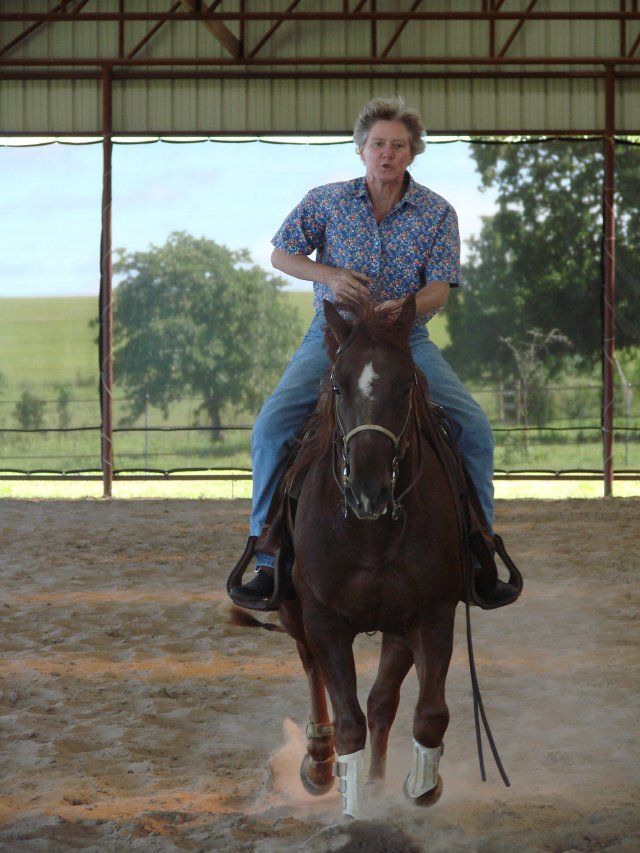
Meet EPA Hydrologist Eva Davis!
When did you first know that you wanted to be an engineer?
I knew that I wanted to be an engineer when my brother said he wanted to be an engineer. I said if he could be an engineer, then I could be an engineer, too.
How does your science matter?
I provide technical support to help remediate superfund sites. I work with thermal remediation, which applies energy to the ground to mobilize organic contaminants so that they can be recovered.
What do you like most about your research?
I get a lot of satisfaction removing contaminants from the ground and knowing that I made a difference in improving the quality of groundwater.
If you could have dinner with any scientist, past or present, who would it be? What would you ask him or her?
Rachel Carson, the author of Silent Spring. I’d like to know more about what she saw and what she experienced that led her to write the book.
If you weren’t a scientist, what would you be doing?
I’d like to have an outdoor job, something in the mountains. Perhaps leading mountain climbing trips.
If you could have one superpower, what would it be and why?
The power to always be right in my technical assessments. If there isn’t a good technical basis for a groundwater remedy, it will not be effective!
Any advice for students considering a career in science?
Choose a scientific field you are truly interested in and then learn everything you can about it. Be the best you can be. Don’t settle for second class.
What do you think the coolest scientific discovery was and why?
The discovery of electricity because it was life changing.
Is there a project or effort that you are most proud of at the EPA?
There are a couple of projects where I’ve been involved in long-term. During those projects, I had a lot of input and really changed people’s minds about the use of thermal remediation and they went on to become successful projects. A lot of the site owners are reluctant to consider thermal remediation as an option because of the cost. They are starting to recognize the benefit because they see what can be accomplished with the technology.
Describe the coolest day you’ve ever had at work.
The best days I’ve had at work are when someone admits (usually indirectly) that I was right on a technical issue that we disagreed about previously.
Describe any steps you take in your daily life to protect the environment.
I am a big believer in recycling. I normally recycle more than I throw away. I try to limit my use of electricity by not having an air conditioner. I limit my use of fuel in the winter by having a cold house. And I capture and reuse rainwater--dogs and horses like to drink it.
Editor's Note: The opinions expressed herein are those of the researcher alone. EPA does not endorse the opinions or positions expressed.