


Meet EPA Scientist Anne Weaver, Ph.D.
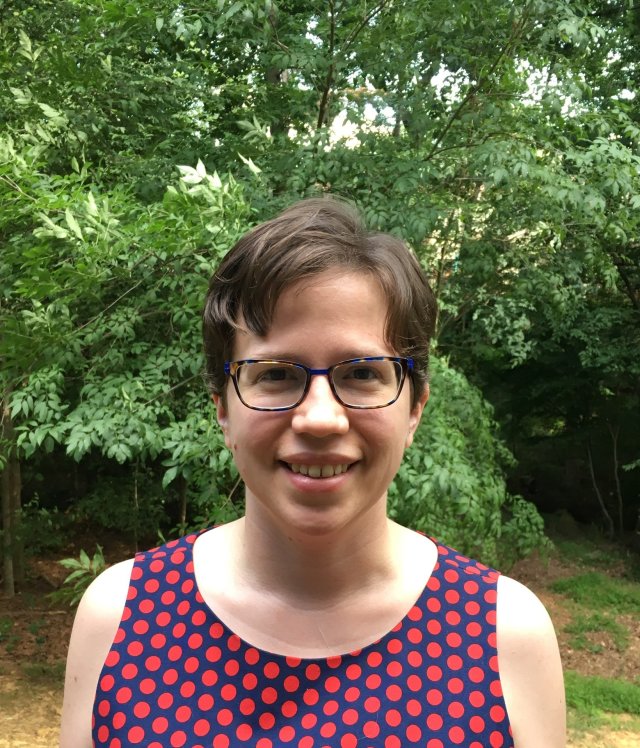
Dr. Anne Weaver is an epidemiologist and population health data scientist. Her current field of research includes air pollution and chronic diseases, as well as community impacts of hurricane related flooding. She also studies the effects of environmental factors such as air pollution on Covid-19 and Covid-19’s long-term health effects.
Tell us about your background.
I received my Bachelor of Science in biology from The State University of New York College at Geneseo. I then earned a Masters of Science in epidemiology from the University of Buffalo where I also received my Ph.D. in the same field.
When did you first know you wanted to be a scientist?
I always knew I wanted to be a scientist. Biology was my favorite subject in high school, which is why I pursued this subject during my undergraduate work. My current field of epidemiology however presented itself to me on a whim during graduate school.
How does your science matter?
Environmental justice is an incredibly important topic at EPA, and my work aims to place an even bigger spotlight on this. My science matters because I study and collect data from underserved communities in order to better understand the issues that they face. For example, my current work with flood impacts is much more of a social science project about community perspectives than anything else.
What do you like most about your research?
I really like collaborating with people from other disciplines and backgrounds. Having a multidisciplinary approach to research is valuable because it allows me to learn from others and for others to learn from me.
If you weren’t a scientist, what would you be doing?
I would most likely be a park ranger because I would get to work outdoors and help to educate people about the area. I could also see myself being a musician as it was one of my passions throughout my schooling.
What advice would you give a student interested in a career in science?
I would simply say, “go for it.” One of the most important things is to be aware of what feels like a good fit and what doesn’t. Knowing when something is not working for you is key, and on the other hand, pursuing something that really interests you is just as important.
If you could have any superpower, what would it be?
Teleportation. This would make my job and life easier if I could be anywhere at any time I wanted.
What do you think is the coolest scientific discovery and why?
Vaccines are without a doubt one of the coolest scientific inventions because they have saved so many lives over the years, and in such a simple way. Toilets are an honorable mention due to the great impact they have had on public health and sanitation.
If you could have dinner with any scientist, past or present, who would you choose?
I would have dinner with the late English physician, John Snow. He made many contributions to the medical field and is considered to be the father of epidemiology. He is very well known for discovering the source of a cholera outbreak in London stemming from a water source, as well as leading the development of anesthesia. During this dinner, I would like to know his thoughts on where epidemiology has come since his time in the mid 1800s.
Editor's Note: The opinions expressed herein are those of the researcher alone. EPA does not endorse the opinions or positions expressed.