


Coastal Community Resilience Research Project Updates
EPA is currently working with partners on a research project to address coastal resilience in the Chesapeake Bay. The work will include investigating natural infrastructure strategies and supporting the community with knowledge and tools for building resilience. The following subject areas are part of this project.
Research Co-Production
Learn About the Project
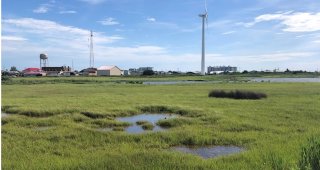
Visit the project webpage to find out how EPA is working to address coastal resilience in Chesapeake Bay.
Research co-production is an approach in which researchers, stakeholders, and public participants work together in a partnership to identify areas of concerns and information gaps, share scientific and local knowledge, and plan research efforts. The goals of this research process are to:
- co-develop research with the Crisfield community and surrounding area to address their needs and goals;
- keep the community and key stakeholders updated with research designs and results; and
- develop products such as presentations, reports, and tools that are useful and accessible for the community and other stakeholders.
This co-production approach involves regular check-ins with key stakeholders, data collection for use in report development and decision-making, meetings and workshops to collect input and feedback on research plans and products, and updates for the community members.
Technical Working Group
The Technical Working Group is designed to provide interim feedback on EPA’s data collection, analysis and modeling of nature-based solutions and social and economic co-benefits. The group includes subject matter experts to provide review and input on the nature-based solutions research to improve Crisfield’s coastal resilience. Members are experienced in salt marsh ecosystems, coastal engineering, and related fields with knowledge of the Crisfield area. The group meets quarterly during 2024 and 2025.
Past Meetings
| Meeting Date | Documents |
|---|---|
| October 2, 2024 | |
| July 31, 2024 |
Public Input Sessions
Public input sessions are held to inform the Crisfield community about EPA’s research and to solicit input from the public to be considered in the EPA’s research efforts.
As public sessions are scheduled, additional information will be added to this webpage.
| Meeting Date | Documents |
|---|---|
| November 23, 2024 | Supporting Coastal Community Resilience Through Natural Infrastructure: November 23, 2024 (pdf) |
| April 20, 2024 | Crisfield Natural Spaces Discussions: April 20, 2024 (pdf) |
Partner Meetings
| Date | Documents |
|---|---|
| October 30, 2024 | Crisfield, MD Nature-Based Strategies for Coastal Resilience (Presented at the Maryland Department of Environmental Joint Evaluation Meeting |
| October 16, 2024 | Nature-Based Strategies for Crisfield Coastal Resilience (Presented at the Chesapeake Bay Tidal Wetlands Restoration's Pocomoke Sound Meeting) |
| September 26, 2024 | Supporting Coastal Community Resilience through Natural Infrastructure (Presented at Crisfield's Standing Coordination Call) |
Environmental Leadership and Education
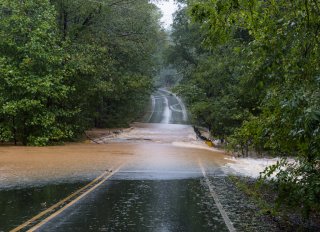
EPA is partnering with shareholders in the coastal resilience research project to offer educational training and environmental leadership opportunities for members of the Crisfield community and surrounding areas. These will involve conversations with expert scientists and opportunities to gain practical knowledge of local environmental challenges, policies, and programs.
Crisfield Resilience Academy
As part of its efforts to deal with current environmental challenges such as flooding, Crisfield is partnering with EPA and others to explore coastal resilience solutions with an education training opportunity called the Crisfield Resilience Academy.
Learn more about the Crisfield Resilience Academy.
Public Learning Sessions
EPA, in partnership with BEACON at Salisbury University and TetraTech, will be holding additional local public learning sessions on environmental and coastal resilience topics. The sessions are free and open to the public, but registration is required.
Upcoming Sessions
| Date | Topic |
|---|---|
| Spring 2025 | Community-identified Coastal Resilience Concern |
BEACON at Salisbury University is assisting EPA with the logistics for this project, including registration and information for participants. You may receive communications from them upon sign-up.
Past Sessions
| Date | Topic and Recording | Session Materials |
|---|---|---|
| June 22, 2024 | Ditch Maintenance |
|
| June 1, 2024 | Living Shorelines |
Learn More About the Science
- Adaptation Organon Process in the Coastal Resilience Solutions-Driven Research Project
- What is a Living Shoreline? (NOAA)
- Living Shorelines (Maryland Department of Natural Resources)