U.S. flag

An official website of the United States government

Here’s how you know

Dot gov

Official websites use .gov
A .gov website belongs to an official government organization in the United States.

HTTPS

Secure .gov websites use HTTPS
A lock (LockA locked padlock) or https:// means you’ve safely connected to the .gov website. Share sensitive information only on official, secure websites.

Emergency

This is not the current EPA website. To navigate to the current EPA website, please go to www.epa.gov. This website is historical material reflecting the EPA website as it existed on January 19, 2025. This website is no longer updated and links to external websites and some internal pages may not work. More information »

    • Environmental Topics
    • Air
    • Bed Bugs
    • Cancer
    • Chemicals, Toxics, and Pesticide
    • Climate Change
    • Emergency Response
    • Environmental Information by Location
    • Environmental Justice
    • Greener Living
    • Health
    • Land, Waste, and Cleanup
    • Lead
    • Mold
    • Radon
    • Research
    • Science Topics
    • Water Topics
    • A-Z Topic Index
    • Laws & Regulations
    • By Business Sector
    • By Topic
    • Compliance
    • Enforcement
    • Laws and Executive Orders
    • Regulations
    • Report a Violation
    • Environmental Violations
    • Fraud, Waste or Abuse
    • About EPA
    • Our Mission and What We Do
    • Headquarters Offices
    • Regional Offices
    • Labs and Research Centers
    • Planning, Budget, and Results
    • Organization Chart
    • EPA History
    • Staff Directory

Breadcrumb

  1. Home
  2. Ocean Acidification

An Introduction to Ocean and Coastal Acidification
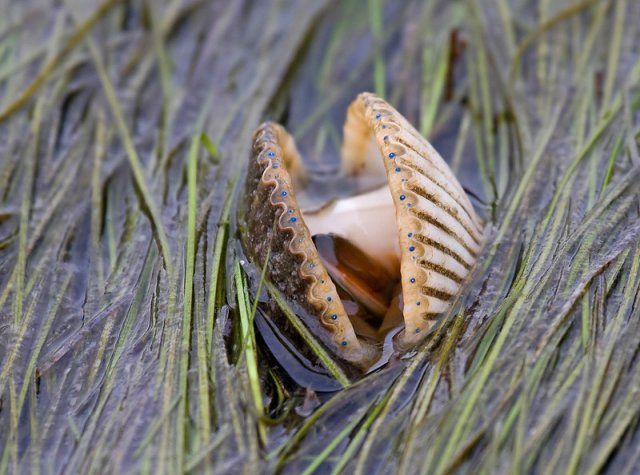
Bivalve in a seagrass bed
Acidification harms marine life and resources important to humans, like this scallop.

En español

Carbon dioxide is a small percent (about 0.04%) of the gaseous mixture that makes up the atmosphere, but that small amount has a big effect on ocean chemistry. The carbon dioxide that humans are releasing to the atmosphere by burning fossil fuels (oil, coal, and natural gas) is changing the chemistry of the ocean by increasing its acidity. In addition to ocean acidification from carbon dioxide in the atmosphere, land-based sources of pollution can contribute to localized acidification of coastal waters. The causes of ocean and coastal acidification are well understood, but scientists are still documenting its worsening effects. 

Ocean and coastal acidification can harm plants and animals. Shell-forming animals like clams and oysters are particularly vulnerable. Impacts to sensitive species will likely have a ripple effect on all kinds of life in the ocean. Ultimately, key resources like seafood that humans rely on will be affected. Because of this serious issue, EPA is working to address ocean and coastal acidification— and you can help too.

Ocean Acidification

  • Learn about Ocean and Coastal Acidification
  • What EPA is Doing
  • Science and Technology
    • An Introduction to Ocean and Coastal Acidification
    • Understanding the Science
    • Effects on Ecosystems
    • Effects on Marine Life
  • Publications
Contact Us About Ocean and Coastal Acidification
Contact Us About Ocean and Coastal Acidification to ask a question, provide feedback, or report a problem.
Last updated on April 17, 2024
  • Assistance
  • Ayuda
  • Arabic
  • Chinese (simplified)
  • Chinese (traditional)
  • Aide
  • Asistans
  • Korean
  • Assistência
  • Russian
  • Tulong
  • Vietnamese
United States Environmental Protection Agency

Discover.

  • Accessibility Statement
  • Budget & Performance
  • Contracting
  • EPA www Web Snapshot
  • Grants
  • No FEAR Act Data
  • Plain Writing
  • Privacy
  • Privacy and Security Notice

Connect.

  • Data
  • Inspector General
  • Jobs
  • Newsroom
  • Regulations.gov
  • Subscribe
  • USA.gov
  • White House

Ask.

  • Contact EPA
  • EPA Disclaimers
  • Hotlines
  • FOIA Requests
  • Frequent Questions

Follow.